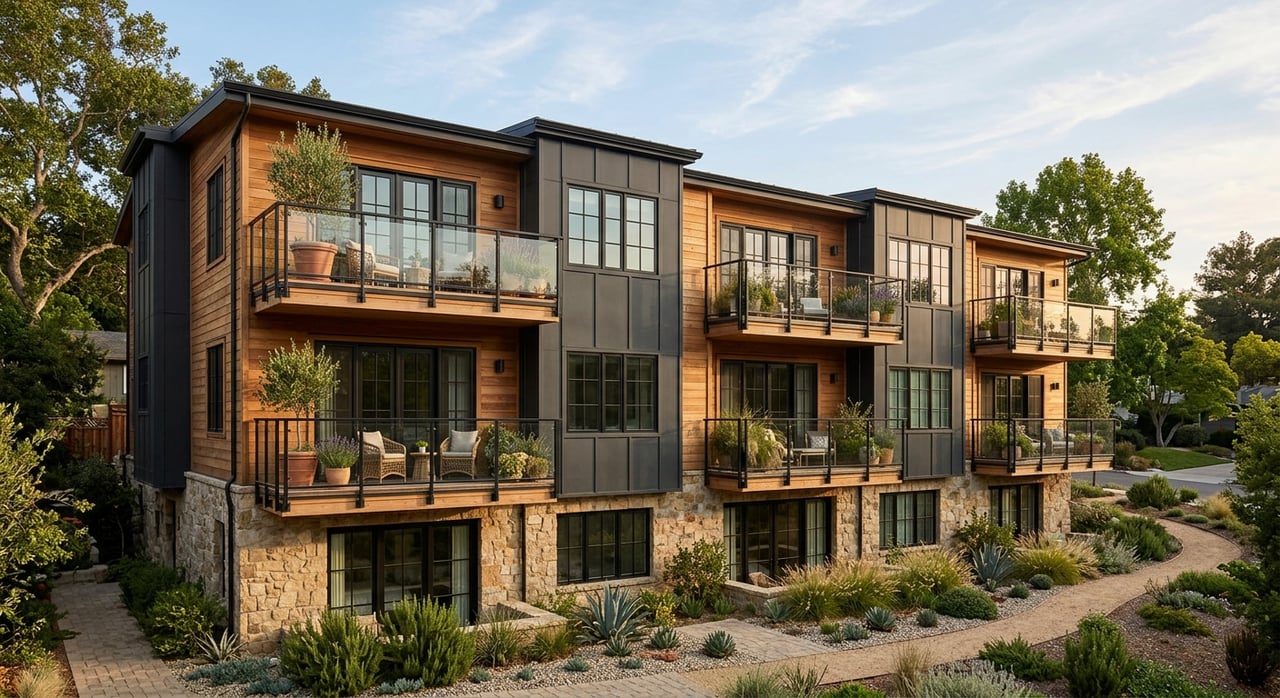
Condo, Townhome, Or House In Cottonwood Heights
July 16, 2026
July 16, 2026
If you are trying to choose between a condo, townhome, or house in Cottonwood Heights, you are not just picking a floor plan. You are also choosing how much maintenance you want, how much control you need, and how flexible the property may be over time. The good news is that each option can be a smart fit depending on your goals, budget, and plans for the future. Let’s break down what matters most so you can compare your options with more confidence.
Before you compare listings, it helps to think about your day-to-day life. Some buyers want the simplest possible upkeep and fewer exterior chores. Others want more privacy, more outdoor space, or more room to make changes later.
In Cottonwood Heights, that choice can matter even more because local rules around zoning, setbacks, short-term rentals, and accessory dwelling units can affect how a property works for you long term. In other words, the right property type is not only about size. It is also about ownership structure, rules, and future use.
A condo usually means you own the interior unit while sharing ownership of the exterior and common areas with the rest of the community. That often includes things like hallways, grounds, shared amenities, and sometimes parking areas. Condo communities typically charge monthly dues to help cover those shared costs.
Those dues often pay for exterior maintenance and common-area upkeep. In many communities, they may also cover water, sewer, trash, and reserve funds for future repairs. That setup can be appealing if you want less hands-on responsibility outside your front door.
A condo can be a strong option if you want a lower-maintenance lifestyle. If you travel often, have a busy schedule, or simply do not want to spend weekends on yard work, a condo may feel like a simpler choice.
Condos also come in several forms, including mid-rise, garden-style, and townhome-style layouts. That means the word “condo” describes ownership as much as building style. Two properties that look very different can still both be condos.
Not all condos offer the same convenience or costs. Parking is one detail you should confirm early, since a space may not be guaranteed or may be assigned differently by community.
You will also want to review the HOA documents carefully. Ask about monthly dues, reserve funds, special assessments, insurance coverage, rental rules, and what changes you can or cannot make to the unit.
A townhome is often described as a home with two or three levels attached to another similar home by one or more shared walls. Some townhome communities include detached structures, so the exact layout can vary from one project to another. That is why it is important to look past the label and understand the specific community.
For many buyers, a townhome sits in the middle between a condo and a detached house. It often feels more house-like than a condo, but it may still come with HOA rules and monthly dues.
A townhome can make sense if you want a bit more space and separation than many condos offer, but you still like the idea of shared maintenance responsibilities. You may get a private entrance, multiple levels, and a more traditional home layout.
This middle-ground setup is often attractive for first-time buyers, move-up buyers, or anyone who wants a balance of space and convenience. It can also work well if you want some exterior help without giving up the feel of a home.
Townhome ownership can vary a lot by community. In one development, the HOA may handle more exterior items. In another, you may be responsible for more of the structure or lot.
Utah law says that unless the declaration says otherwise, the association is responsible for common areas, while the lot owner is responsible for the lot itself. That is one reason townhomes can feel easier to maintain than detached homes on the outside, while still coming with more rules than a standalone house.
A detached house usually gives you the most direct control over the home, the exterior, the yard, and the lot. Unlike a condo, the property is not typically jointly owned with other owners. That often gives you more freedom to manage the space as you see fit.
That said, some detached homes are still part of an HOA or planned development. So while houses often offer the most independence, you should still confirm whether any community rules apply before you buy.
A detached house may be the best match if privacy, outdoor space, and long-term flexibility matter most to you. In general, moving from condo to townhome to detached house usually means more private outdoor space and more owner control.
It also usually means more upkeep. You may be responsible for yard care, exterior repairs, and other ongoing maintenance that a condo or townhome HOA might help handle.
If you are thinking beyond today and considering future rental use or an accessory dwelling unit, a house may offer the broadest range of options. But in Cottonwood Heights, those plans depend on city rules, parking, zoning, and any HOA restrictions.
For example, the city says every single-family property must have two off-street parking stalls, and added parking for an ADU must meet city standards. The city also requires owner occupancy for ADUs and says ADUs cannot be used as short-term rentals.
One of the biggest differences between these property types is how maintenance gets handled. That affects both your budget and your time.
A condo often has the least exterior maintenance for the owner because the association handles shared spaces and exterior needs. A townhome may offer a partial version of that benefit. A detached house usually puts the most day-to-day responsibility directly on you.
HOA dues are usually paid directly to the association and are not included in your mortgage payment. That means you need to budget for them separately alongside principal, interest, taxes, and insurance.
The amount can vary widely, so it is important to compare total monthly cost, not just purchase price. A lower-priced condo with higher dues may not always be less expensive month to month than a townhome or house.
Here is the simple trade-off many buyers face:
There is no one-size-fits-all answer. The best fit depends on whether your priority is convenience, independence, or a balance of both.
If you may want to rent the property later, do not assume every home type gives you the same options. In Utah, associations can restrict rentals, limit the number or term of rentals, or prohibit some rentals depending on the governing documents.
That makes due diligence especially important with condos and townhomes. You should review the CC&Rs and current association rules before relying on a future rental plan.
Cottonwood Heights adds another layer to that decision. Short-term rentals require a conditional-use permit process and business licensing through the city.
The city also states that accessory dwelling units cannot be used as short-term rentals. So if rental flexibility is one of your goals, a detached house may often provide the widest range of options, but the final answer still depends on zoning, parking requirements, and HOA rules.
No matter which property type you are considering, a few questions can help you make a smarter decision.
If your top priority is simple living with less exterior upkeep, a condo may be the best match. If you want a middle-ground option that feels more like a home but still may include shared maintenance, a townhome may make the most sense.
If you want the most privacy, the most direct control, and the greatest long-term flexibility, a detached house is often the strongest fit. But in Cottonwood Heights, the smartest choice comes from looking at both the home itself and the rules attached to it.
That is where local guidance can make a big difference. A good comparison is not just about bedrooms and square footage. It is about understanding contracts, HOA documents, maintenance responsibilities, and how the property may serve you years from now.
If you want help comparing condos, townhomes, and houses in Cottonwood Heights, Ashley & Andrew Wolocatiuk can help you look past the listing photos and focus on what will work best for your budget, lifestyle, and long-term plans.
Stay up to date on the latest real estate trends.
Whether you're buying, selling, or managing property, Ashley & Andrew are committed to delivering a seamless, supportive, and results-driven experience. Let’s work together to achieve your real estate goals.