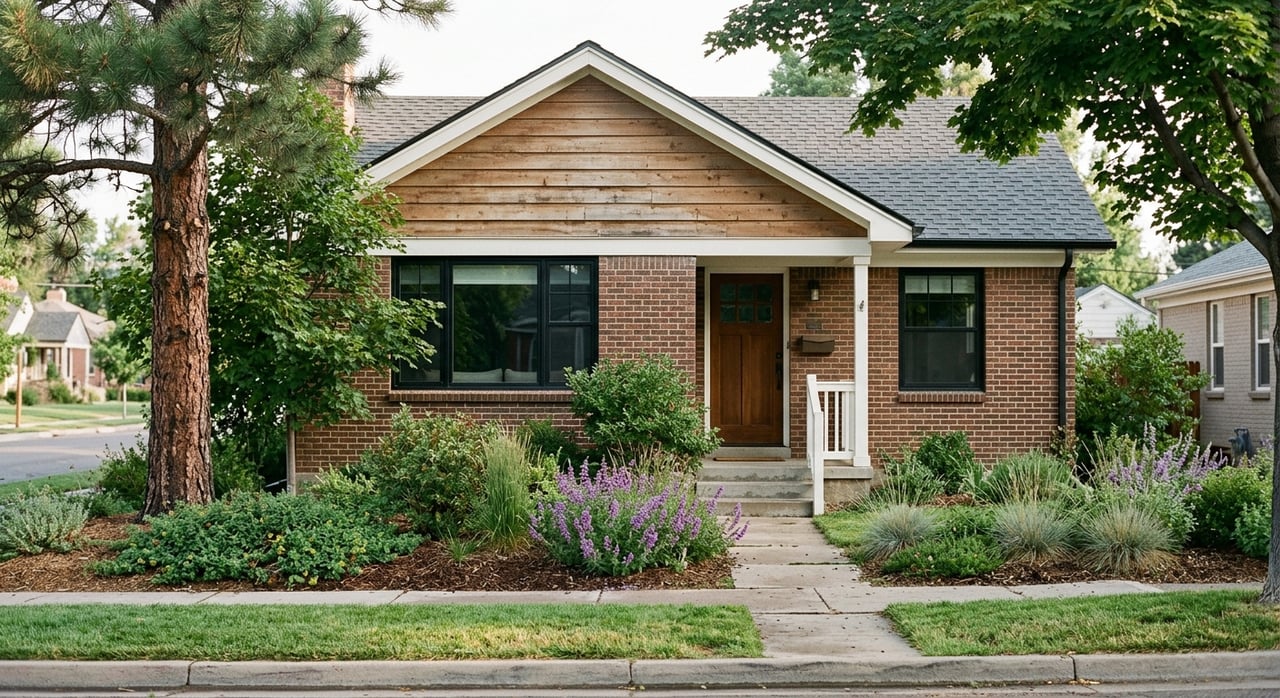
New Construction Vs Resale Homes In Draper
June 11, 2026
June 11, 2026
If you are deciding between a brand-new home and an existing one in Draper, you are not alone. It is a smart question because Draper has both newer developments and more established neighborhoods, and those options can feel very different once you look past the photos. This guide will help you compare how new construction and resale homes stack up in Draper so you can make a more confident decision. Let’s dive in.
Draper is not a one-size-fits-all market. The city describes itself as a residential community with trail access, mountain views, and growing commercial areas, while also working to balance new development with the character of existing neighborhoods.
That matters when you shop for a home. In Draper, the difference between new construction and resale is not just about age. It can also affect your timeline, lot conditions, HOA structure, inspections, and the kind of day-to-day ownership experience you will have.
New construction often appeals to buyers who want a home with newer systems, newer finishes, and less immediate maintenance. You may also get a builder warranty, which can offer some peace of mind during the first years of ownership.
In Draper, newer communities may also come with shared amenities and a more uniform look. Communities like SunCrest help illustrate that model, with published amenities such as a clubhouse, pool, and fitness spaces, along with design guidelines and community standards.
One of the biggest advantages of new construction is that everything starts fresh. Roof, HVAC, plumbing, electrical, and appliances may all be newer, which can reduce the chance of near-term repair costs compared with an older home.
That does not mean maintenance disappears. It just means your maintenance timeline may look different in the first few years.
Warranties are one of the clearest differences between a new build and a resale home. According to the FTC, builder warranties on newly built homes generally cover workmanship and materials for one year, major systems like HVAC, plumbing, and electrical for two years, and major structural defects for up to ten years.
Still, you should read the warranty carefully. Coverage may not include every repair cost or temporary housing if a major issue comes up.
Many newer Draper communities offer amenities that can be attractive if you want shared recreation spaces and a more managed neighborhood environment. The trade-off is that HOA oversight is usually more involved.
Utah HOA guidance says the governing documents can include plats, CC&Rs, rules, fee schedules, minutes, budgets, and financial statements. Those documents are the best place to confirm what you can do with the property, what the fees are, and whether the lot size matches your expectations.
Draper’s east-bench and hillside areas add an extra layer to new construction. The city’s Building Division reviews plans, issues permits, and conducts inspections, and its geotechnical standards address things like fault setbacks, slope stability, liquefaction, debris flow, and rockfall.
If you are buying a build-to-order home or vacant lot, ask whether the site required geotechnical review or mitigation work. On certain lots, that can affect cost, design, and timing.
Resale homes often stand out for immediacy. What you see is usually what you are getting, and you can compare the home to the street, nearby properties, and the general feel of the area before closing.
That can be especially helpful in Draper, where neighborhood maturity may matter just as much as the house itself. Trees, established landscaping, traffic flow, and surrounding home styles are easier to judge when the neighborhood is already built out.
A resale home is often the simpler choice if your timing matters. You are usually buying a completed property rather than waiting on construction schedules, permitting, supply issues, or final inspections.
For buyers relocating to Utah or working around a lease end date, that shorter path can be a big advantage.
With a resale home, you can usually assess the full setting more easily. You can tour the street, see how close neighboring homes are, evaluate yard space, and get a clearer picture of what daily life may feel like.
That is one reason many buyers prefer resale when neighborhood context is a top priority. In newer areas, some parts of the community may still be under construction, and future phases may change the feel over time.
The main trade-off with resale is that you are inheriting prior use and maintenance history. Utah’s standard REPC gives buyers a due-diligence period to review disclosures, inspect, test, cancel, or resolve objections in writing.
The seller must disclose known defects that materially affect value and would not be found by a reasonable inspection. The final pre-settlement walk-through is limited to confirming the property is as represented, so your inspection and due-diligence window are where most of the real investigation happens.
It is easy to assume a new home needs less scrutiny. In reality, both new construction and resale homes deserve careful inspection and testing.
That is especially true in Utah for radon. Utah DEQ notes that radon can be addressed during construction, but even a new home with a passive radon system should still be tested after completion.
HUD consumer guidance encourages radon testing as part of a standard home inspection process. In practical terms, that means a new home is not automatically free of testing needs just because it is newly built.
If you are looking at a Draper property on a hillside lot or in an area with site-specific engineering concerns, ask detailed questions early. You want to know what was done, what was required, and what documentation is available.
Some resale homes come with extra disclosure items based on age. If a home was built before 1978, lead-based paint disclosure and acknowledgment apply under Utah’s homebuyer guidance.
That does not mean every older home has a problem. It simply means the disclosure process includes an added step that buyers should be prepared for.
The buying path for a new build is not always the same as the path for a resale purchase. In Utah, the state-approved forms include the REPC and several addenda, such as the FHA/VA Loan Addendum and Seller Financing Addendum.
If the transaction is truly a build project rather than a standard purchase, Utah also offers an optional residential construction contract that can be customized. That can make new construction feel more layered from a paperwork and timeline standpoint.
Some new-construction purchases involve different financing structures than resale homes. Fannie Mae notes that construction-to-permanent loans are a distinct loan product for homes still being built, with lender-managed disbursements to the builder or contractor.
That is different from a traditional mortgage on a completed resale home. If you are comparing options, make sure you understand whether you are buying a finished product or financing a home that is still under construction.
In Draper, HOA review is a major part of the decision, especially in newer communities. Utah’s HOA registry explains that associations can be stand-alone, master, or sub-associations, and some owners may pay dues to more than one association.
That is why it is important to ask more than just, “What are the monthly dues?” You also want to know what those dues cover, what approvals are needed for exterior changes, and whether there are additional fees at closing or after move-in.
Utah guidance says sellers must provide governing documents before closing, and those materials may include the CC&Rs, rules, fee schedules, minutes, budgets, and financial statements. The HOA can take up to 14 days to fulfill the seller’s document request.
Utah also has fee rules that matter here. Administrative setup fees cannot exceed actual cost, reinvestment fees are generally capped at 0.5 percent of the transaction cost unless a large master-planned exception applies, and late fees are capped by law.
There is no universal winner between new construction and resale in Draper. The better fit depends on how you weigh maintenance, timing, neighborhood feel, HOA structure, and the level of predictability you want.
A new build may be a better fit if you want newer finishes, potential warranty coverage, and a more structured community setup. A resale home may be a better fit if you want a faster move, an established setting, and the ability to evaluate the full neighborhood before closing.
Whether you are touring a new home or a resale property in Draper, a few questions can save you time and stress later.
When you are comparing homes in Draper, the right move is usually the one that matches your real timeline, budget, and comfort level with risk. A practical side-by-side review of contracts, HOA details, inspections, and property condition can make the choice much clearer. If you want help sorting through those details and choosing the option that fits your goals, reach out to Ashley & Andrew Wolocatiuk.
Stay up to date on the latest real estate trends.

Whether you're buying, selling, or managing property, Ashley & Andrew are committed to delivering a seamless, supportive, and results-driven experience. Let’s work together to achieve your real estate goals.