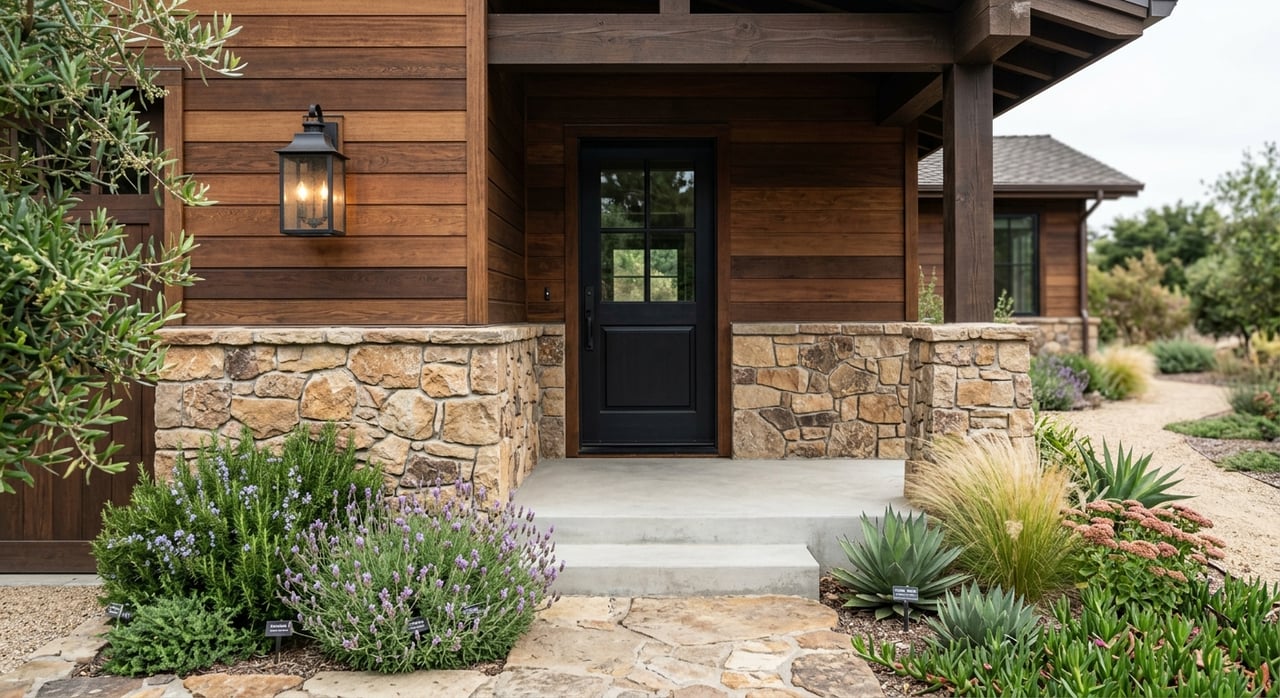
Understanding The Cottonwood Heights Housing Market
June 4, 2026
June 4, 2026
If you’re trying to figure out whether now is a smart time to buy or sell in Cottonwood Heights, the short answer is this: the market is active, but it is not as frenzied as it was a few years ago. That can feel confusing when one website says homes are moving fast and another shows more time on market. The good news is that the bigger picture is actually pretty clear once you know what the numbers mean. Let’s break down the Cottonwood Heights housing market in a simple, practical way.
Cottonwood Heights is best understood as a premium east-side submarket within Salt Lake County. In April 2026, Redfin reported a median sale price of $797,357, up 13.9% from a year earlier, with 47 median days on market and 69 homes sold.
That matters because Salt Lake County as a whole looked lower-priced and faster-moving during the same period. Redfin’s county snapshot showed a median sale price of $563,426 and 33 days on market, which helps explain why Cottonwood Heights should not be viewed as just another county-average market.
Other public sources showed a similar price range, even if the exact numbers differed. Realtor.com reported 114 homes for sale in March 2026, a median listing price of $780,000, 49 days on market, and a 99% sales-to-list-price ratio, while Zillow showed a typical home value of $786,991, 82 homes for sale, and homes going pending in about 18 days as of April 30, 2026.
If you have checked more than one housing website, you may have noticed that the numbers do not match exactly. That does not automatically mean one source is wrong.
Different platforms track different parts of the market and use different timing windows. Some focus more on closed sales, others on active listings, and others on value estimates or pending activity. In a smaller market like Cottonwood Heights, even a few new listings or a few quick sales can noticeably change the feel of the data.
The most useful takeaway is not to chase one exact number. Instead, look at the pattern across sources: prices are high relative to the county, inventory is limited, and homes are still selling, but buyers are not chasing every listing at any price.
Inventory simply means the number of homes actively for sale. In Cottonwood Heights, that number remains relatively small across public platforms.
When inventory is limited, the market can shift quickly. A handful of well-priced homes can attract fast interest, while a handful of overpriced listings can sit longer and make the market feel slower. That is one reason this city can feel competitive and selective at the same time.
Days on market refers to how long a home is listed before a seller accepts a contract. It is one of the easiest ways to see whether buyers are moving quickly or taking more time.
Recent Cottonwood Heights data suggests a market that is moving, but not at a peak frenzy pace. Redfin reported around 47 median days on market and noted that the average home goes pending in about 44 days, while hot homes can go pending in around 11 days. Zillow’s current city page showed homes going pending in about 18 days.
That tells you two things. First, desirable homes can still move fast. Second, not every home is flying off the market immediately, which gives pricing and property condition a bigger role than they had during the most aggressive seller-market years.
Another useful metric is the sale-to-list price ratio, sometimes called the close-to-list ratio. This compares the final sale price to the asking price.
A ratio above 100% means a home sold above asking. A ratio below 100% means it sold below asking. In Cottonwood Heights, current public data points to a market where many homes are still selling close to list price, but buyers are negotiating when pricing misses the mark.
Redfin showed the average home selling for about 1% below list, with 22.4% of homes selling above list and 30.2% of homes seeing price drops. Realtor.com’s 99% sales-to-list ratio supports that same general story.
Put all of those numbers together, and Cottonwood Heights looks balanced to mildly competitive rather than strongly seller-favored. Homes are still moving, especially when they are priced well and show well, but the market is not acting like an all-offers-over-ask sprint.
That is good to know whether you are buying or selling. Buyers may have more room for careful decision-making than they did during the frenzy years, while sellers still have strong value on their side but need to be realistic from day one.
One reason Cottonwood Heights behaves differently from some other parts of the valley is that supply is structurally limited. According to the city’s housing plan, the area is substantially built out, and future growth will increasingly need to come from more compact housing forms like duplexes, townhomes, multifamily homes, and accessory dwelling units as open space shrinks.
The city’s location along the Cottonwood Canyons also shapes demand. The housing plan notes that larger single-family homes and constrained supply help attract higher-income households, which supports the city’s position as a higher-priced submarket.
Cottonwood Heights also has a housing mix that tends to limit turnover. The city housing plan says more than 72% of housing units are single-family detached, about 8.9% are duplex or townhome-style two-unit structures, and about 8.6% are multifamily.
Census QuickFacts adds that the city had 33,614 residents and a 72.4% owner-occupied housing rate in the 2020 to 2024 estimate period. In a mostly owner-occupied, built-out city, homes often change hands less often than they do in a newer area with faster growth, which helps explain why inventory can stay tight.
If you are buying in Cottonwood Heights, it helps to think of this market as competitive, but selective. You are not shopping in a bargain market, and well-positioned homes can still go quickly.
That means preparation matters. You should be pre-approved, clear on your budget, and ready to tour homes quickly when the right fit comes up. If a home is updated, well-located, and priced correctly, it may not sit long.
At the same time, not every listing will command a bidding war. Some sellers are still testing ambitious list prices, and the data shows that price reductions are happening. That can create opportunities for buyers who stay informed and act decisively when the numbers make sense.
If you are selling, today’s Cottonwood Heights market rewards strategy over guesswork. Buyers are still paying close to asking price on many homes, but they are more rate-sensitive and more selective than they were when borrowing costs were much lower.
Freddie Mac reported the average 30-year fixed mortgage rate at 6.53% on May 28, 2026. With rates in the mid-6% range, monthly payments remain elevated, which means buyers are paying close attention to value, condition, and total cost.
For sellers, the message is simple: price carefully from the start. Overpricing is more likely to lead to extra days on market and a price reduction than to trigger a wave of competing offers.
In this kind of market, the homes that perform best usually combine three things:
That does not mean every home needs a full remodel to sell well. It does mean that buyers are comparing choices carefully, and the homes that feel well-prepared tend to stand out faster.
Cottonwood Heights should be read on its own terms, not as a copy of the broader Salt Lake County market. Its price point, housing stock, owner-occupied base, and supply constraints create a local market that behaves differently from more affordable or faster-growing parts of the valley.
That is especially important if you are relocating, moving up, buying your first home, or deciding whether to hold or sell a property. A city with limited inventory and a strong single-family base often requires a more specific strategy than the county headlines suggest.
Right now, Cottonwood Heights looks like a high-value, relatively tight market where serious buyers are still active and well-priced homes can still move. At the same time, the data shows a healthier level of negotiation than during the peak frenzy years.
For buyers, that means being prepared without assuming every home will require an extreme offer. For sellers, it means understanding that strong pricing power still exists, but precision matters more than ever.
If you want help making sense of what these numbers mean for your next move, Ashley & Andrew Wolocatiuk bring a practical, local perspective on buying, selling, valuation, and long-term property decisions in Cottonwood Heights and across the Salt Lake Valley.
Stay up to date on the latest real estate trends.
Whether you're buying, selling, or managing property, Ashley & Andrew are committed to delivering a seamless, supportive, and results-driven experience. Let’s work together to achieve your real estate goals.