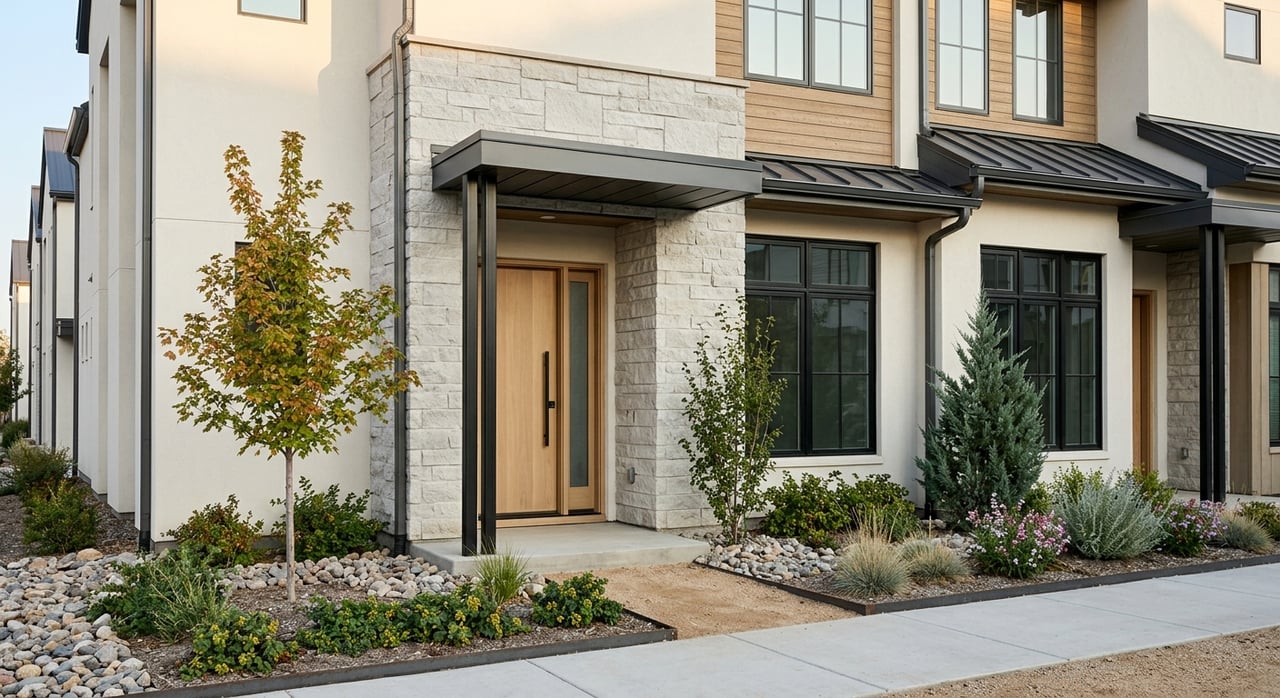
Relocating To Draper: A Practical Homebuyer Roadmap
July 9, 2026
July 9, 2026
Thinking about moving to Draper from out of state? You are not alone, and the biggest challenge usually is not deciding whether Draper is appealing. It is figuring out which part of Draper fits your commute, your budget, and the kind of day-to-day life you want. This guide will help you sort through the practical details that matter most, from transit access and trail proximity to inspections, closing logistics, and monthly ownership costs. Let’s dive in.
Draper sits at the Point of the Mountain between Salt Lake Valley and Utah Valley. That location gives you access to both corridors, which is a major reason many relocation buyers put Draper on their shortlist.
The city also offers a mix of rail access, open space, and active planning around land use and transit. If you are moving from outside the area, that combination can make Draper feel both connected and livable.
When you relocate, your home search should begin with how you will move through the week. In Draper, that often means comparing access to Salt Lake City, Utah County, and local rail stations before you get too focused on finishes or square footage.
Draper City says public transit connects both valleys through UTA’s FrontRunner and TRAX stops in the city. UTA lists the Draper FrontRunner station and TRAX Blue Line stations at Draper Town Center and Kimballs Lane, and the Blue Line runs from Draper to Salt Lake City while FrontRunner serves the broader Ogden-to-Provo corridor.
If you want easier train access, it makes sense to look closely at homes near Draper Town Center, Kimballs Lane, or the Draper FrontRunner station. Those locations can offer a different daily rhythm than homes farther up the hill or farther from rail.
That does not automatically make one area better than another. It simply means your transportation options, drive times, and even how often you use your car may vary depending on where you buy.
If you travel often for work or family, airport access can shape your decision more than you expect. Draper City says Salt Lake International Airport and Provo Municipal Airport are each about 30 minutes away by car.
For many relocating buyers, that adds flexibility. It can be especially helpful if your job involves regular flights or you expect frequent visitors after your move.
Draper offers a wide range of living environments within one city. Some buyers want quick rail access and easier valley travel, while others care more about foothill views, trailheads, and a little more separation from the busiest corridors.
That is why it helps to think in tradeoffs instead of one perfect answer. The right fit depends on what you want your weekdays and weekends to look like.
Draper City says the city has more than 150 miles of trails, 5,000 acres of open space, and more than 42 parks. Trail access includes hiking, mountain biking, horseback riding, and dog walking.
The city also describes Draper as the only city with trails looking out over both the Salt Lake and Utah valleys. If outdoor access is high on your list, trail proximity may be just as important as commute time.
Outdoor access is a major perk, but the rules can affect how you use it. In Corner Canyon, only Class 1 e-bikes are allowed, and dogs are restricted in the watershed area above the Bonneville Shoreline Trail, though leashed access is allowed on certain lower trails.
If you have a dog or plan to use an e-bike, that is worth understanding early. A home near a trailhead may feel very different depending on which trails you expect to use most often.
Some of Draper’s upper-elevation areas come with different service expectations. That can be a real benefit, but it can also affect your monthly budget and your winter planning.
Draper Fire Station 22 is located at the top of the hill in the South Mountain area, and Fire Station 23 is at the top of Traverse Ridge in SunCrest. Draper’s Traverse Ridge Special Service District says it provides extra snow removal, road maintenance, street sweeping, and related services funded by a property-tax mill levy.
Two homes can have similar list prices and still carry very different monthly costs. In hillside or special service areas, you may need to account for district levies along with taxes, HOA dues, and regular ownership costs.
That is why budget planning should include more than the mortgage payment. A practical comparison looks at the full monthly carrying cost and the service level that comes with it.
If you are relocating, you do not need to fly in for every home that catches your eye online. A better approach is to use virtual tools first, narrow your list carefully, and save in-person time for the homes that still make sense after a deeper review.
This approach can reduce stress, travel costs, and decision fatigue. It also helps you stay focused on homes that align with your actual priorities.
A strong shortlist should go beyond listing photos. It should reflect the things that will shape your ownership experience once you live there.
Focus on:
When you are buying from a distance, details matter. A virtual showing should help you evaluate the home as a real property, not just as a set of photos.
Ask to see:
For Draper specifically, it also helps to ask how the home relates to nearby transit, trailheads, hillside roads, snow removal patterns, and surrounding development.
One of the most useful steps in a relocation move is checking what is planned around a property. Draper’s Planning Division publishes zoning, subdivision, land-use, development-project, and recorded-development resources through its planning portal.
That gives you a way to look beyond the house itself. You can better understand what is allowed nearby and what may change later.
Draper’s master plans list station-area plans for Kimballs Lane, Crescent View, and the Draper FrontRunner station, along with Town Center design guidelines. If you are considering homes near rail corridors, these planning resources are worth a close look.
They can help you understand the broader setting around a home, not just the lot lines. For a relocation buyer, that can reduce surprises after closing.
If you are moving from another state, timing your visit well can make the entire process smoother. In many cases, your first in-person trip should cover final home tours, inspection follow-up, and any repair or contractor conversations.
That gives you time to react if something important comes up. It also helps you avoid extra travel later in the transaction.
Consumer guidance says buyers should schedule an independent inspection as soon as possible, and being present can help you understand the report and ask better questions. If your contract includes an inspection contingency, you may be able to cancel without penalty if the results are not satisfactory.
For relocation buyers, this step is especially important. It is often the best time to get clear on condition, maintenance needs, and repair priorities before you commit fully.
Closing a home purchase while relocating can feel complicated, but the process becomes easier when you know what to expect. Consumer guidance notes that the people involved can include the buyer, seller, agents, and an escrow or settlement agent, and in many western states the closing may be handled by an escrow agent with parties signing separately.
That can be helpful if you are coordinating travel across state lines. It may give you more flexibility than you expect.
Buyers have three business days to review the Closing Disclosure before closing. That timeline matters when you are booking flights, hotel stays, or work travel around your purchase.
Utah’s Notary Division says remote online notarization involves virtual appearance and electronic signing, and Utah notaries need a special remote online notarization commission plus approved vendors. In practice, that means remote signing may be possible when your lender and title company support it, but it is not automatic.
Property taxes in Draper are administered primarily by Salt Lake County for most of the city and Utah County for portions in that jurisdiction. According to the city, the total bill can include county, city, school district, special service districts, water and sewer districts, and other local entities.
This is one reason two similarly priced homes can have noticeably different monthly costs. Before you buy, it is smart to compare the whole payment picture, not just the list price or principal and interest.
A successful move to Draper usually comes down to good planning, clear priorities, and local guidance. If you know how you want to commute, how often you will use trails or transit, and what monthly ownership costs you can comfortably carry, you can narrow your search much faster.
It also helps to have a team that can look at the practical side of the move with you. That includes contract details, inspection timing, home functionality, and the local factors that are harder to judge from across the country.
If you are planning a move to Draper and want clear, hands-on guidance, Ashley & Andrew Wolocatiuk can help you compare areas, coordinate the process, and move forward with confidence.
Stay up to date on the latest real estate trends.

Whether you're buying, selling, or managing property, Ashley & Andrew are committed to delivering a seamless, supportive, and results-driven experience. Let’s work together to achieve your real estate goals.