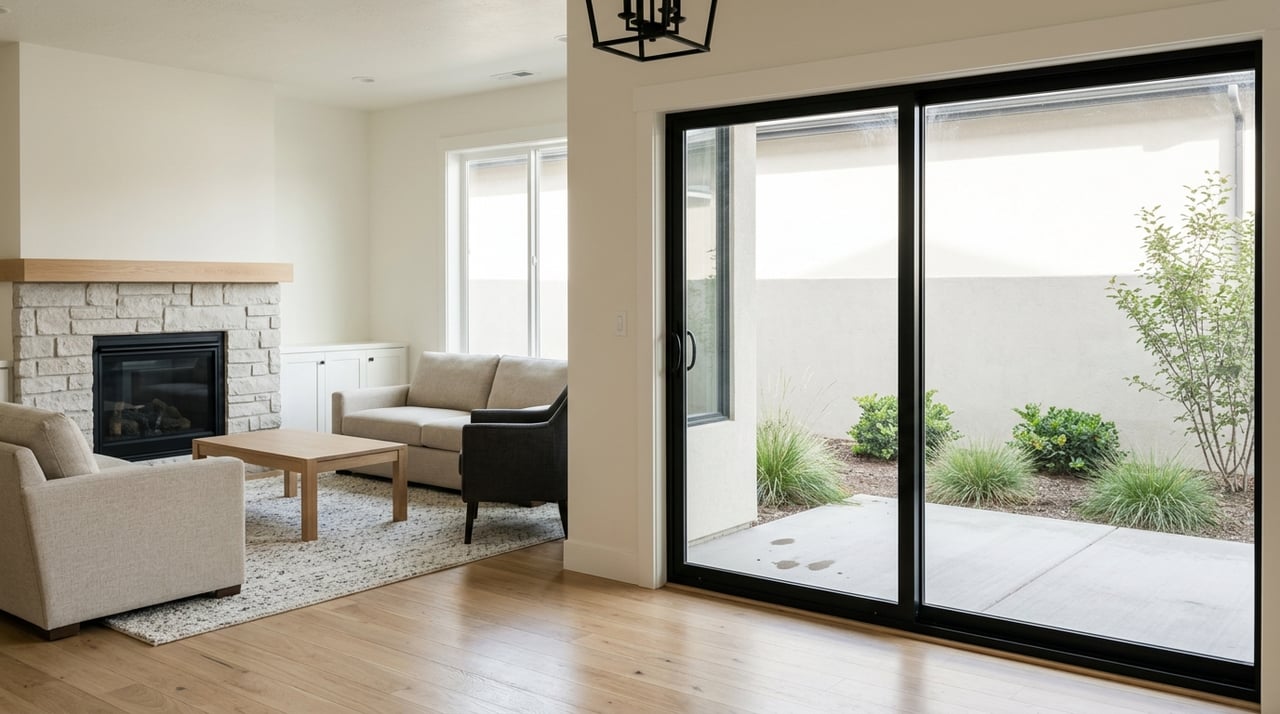
Rent or Sell Your Draper Property With Confidence
June 25, 2026
June 25, 2026
Trying to decide whether to rent or sell your Draper home? You are not alone. This choice can feel especially tough when home values are high, rents are strong, and the market is moving quickly. The good news is that a clear framework can help you weigh your numbers, your goals, and the real day-to-day work involved so you can make a decision that fits your next chapter. Let’s dive in.
Draper sits in a premium part of the Wasatch Front market. Census data shows a median owner-occupied home value of $784,800, while Zillow reported an average home value of $819,793 as of May 31, 2026. Those numbers tell the same story even though the methods differ: this is a high-value market.
Rents are also elevated. Census reports a median gross rent of $1,894, and Zillow’s rental data shows an average rent of $2,404 as of June 19, 2026. Compared with nearby county benchmarks, Draper’s rent levels are notably higher, which gives homeowners a real reason to consider holding and renting instead of selling right away.
Speed is another important part of the picture. Zillow reports 173 homes for sale, 74 new listings, and homes going pending in about 12 days. If your main goal is liquidity and a clean break, that kind of pace can make selling feel very attractive.
The rent-versus-sell decision usually looks simple from a distance, but the math changes fast once you apply it to your actual home. In Draper, gross rent can look decent on paper, yet the margin may be thinner than expected once you compare it to ownership costs and rental expenses.
Using Zillow’s average rent and average home value, gross annual rent yield is about 3.5%. Using Census median figures, it is about 2.9%. That does not automatically mean renting is a bad choice, but it does mean you should be careful about assuming the property will produce strong monthly cash flow.
For homeowners with a mortgage, the gap matters even more. Census data shows a median monthly owner cost with a mortgage of $2,759. Zillow’s average rent of $2,404 covers about 87% of that figure before you even add maintenance, vacancy, repairs, or management.
If your home is paid off, the picture changes. Census reports a median monthly owner cost without a mortgage of $749, so gross rent is far above that baseline. That means owners with little or no debt may have much more flexibility to rent successfully than owners with a larger monthly payment.
Selling often makes sense when you want simplicity, access to equity, or freedom from ongoing property responsibilities. In a market like Draper, where values are high and homes are moving relatively fast, a sale can turn years of appreciation into usable cash.
That liquidity can help you fund your next purchase, reduce debt, or free up capital for another goal. It can also give you a clean transition if you are relocating, downsizing, or simply do not want to manage a property from a distance.
A sale may also be the better fit if your monthly carrying costs are already high. If rent would only cover part of your mortgage-related owner costs before repairs and turnover, the property may feel more like a financial strain than a helpful long-term hold.
For some homeowners, the biggest benefit of selling is clarity. You close the chapter, avoid landlord duties, and move forward without the added recordkeeping and legal responsibilities that come with a rental.
Renting may be the better path if you want to keep the home as a long-term asset. Draper’s high home values and relatively strong rent levels can support a hold strategy for owners who have meaningful equity, manageable debt, and a longer time horizon.
This can be especially appealing if you believe the property still fits your broader wealth-building plan. Keeping the home preserves your ownership position and gives you a chance to benefit from future appreciation while generating rental income.
Renting can also be a practical option if your move is temporary or if you are not ready to part with the property yet. Some homeowners prefer to keep flexibility while they settle into a new job, test a new location, or decide on their next purchase.
That said, renting works best when you treat it like a business decision, not just a way to avoid selling. You need enough reserves, enough margin, and enough willingness to deal with the realities of turnover, repairs, and tenant communication.
A good decision usually comes down to three things: cash flow, equity access, and time horizon. Each one matters, and no single factor should make the choice for you.
Start with a realistic rent estimate for your specific property, then compare it to your full monthly ownership cost. Include your mortgage payment if you have one, plus insurance, taxes, maintenance, possible vacancy, and any management costs.
If the margin is thin, renting may still work as a long-term strategy, but you should go in with open eyes. A premium home in a premium market does not always produce strong monthly cash flow.
Selling gives you access to equity now. Renting keeps you invested in the property and may preserve future upside, but that benefit comes with more complexity and more patience.
If you need funds for your next move or want a simpler financial life, selling may line up better with your goals. If you have strong equity and want to keep a valuable asset in Draper, renting could still be a smart hold.
Some homeowners are comfortable handling repairs, notices, documentation, and tenant needs. Others know that even one rental would feel like too much on top of work, family, or a move.
That self-assessment matters. A rental property can support long-term goals, but it still needs active oversight.
If you rent out your Draper home, you are not just keeping an asset. You are taking on legal and operational responsibilities under Utah law.
Under the Utah Fit Premises Act, an owner may not rent a unit unless it is safe, sanitary, and fit for human occupancy. Owners are also responsible for maintaining common areas, electrical systems, plumbing, heating, hot and cold water, and any contracted appliances.
Utah law generally requires at least 24 hours’ notice before entry unless the rental agreement says otherwise. That means routine access, repairs, and inspections need to be handled carefully and consistently.
Security deposit handling also requires discipline. Utah law requires deposit deductions to be itemized and sent no later than 30 days after the renter vacates and returns possession. Any nonrefundable portion of a deposit must be disclosed in writing when the deposit is taken.
For accidental landlords, these details are a big part of the real cost of renting. Even one home can require systems, documentation, and steady follow-through.
Your decision today can shape your tax situation later. IRS guidance says a main-home sale may qualify for an exclusion of up to $250,000 for single filers or $500,000 for joint filers if the ownership and use tests are met.
If you convert the home to a rental before selling, future tax treatment can become more complex. IRS guidance notes that depreciation can reduce the excludable gain, and periods of nonqualified use can matter on a later sale.
Rental ownership also brings separate reporting for rental income and expenses, including depreciation. In plain terms, renting can preserve flexibility, but it can also create more paperwork and more long-term planning than a straightforward sale.
If you are stuck, use this checklist to organize your thinking.
In Draper, either choice can make sense. Home values are high, rents are meaningful, and homes are moving quickly enough that selling can be very appealing. At the same time, owners with strong equity and a long view may see real value in holding the property as a rental.
The key is to avoid making the choice based on market headlines alone. You need to look at your debt load, your likely rent, your reserve capacity, and how much responsibility you want to carry after you move out.
If you want help thinking through whether your Draper home is better suited for a sale or a rental, Ashley & Andrew Wolocatiuk can help you look at the numbers, the process, and the day-to-day realities so you can move forward with confidence.
Stay up to date on the latest real estate trends.




Whether you're buying, selling, or managing property, Ashley & Andrew are committed to delivering a seamless, supportive, and results-driven experience. Let’s work together to achieve your real estate goals.